
Biltong, the Great South African Snack, and How to Make It

The US is finally catching on to South Africa’s favorite snack. You’ve probably seen it in grocery stores, where it sells for about $8 for a tiny packet of shredded meat. You might have wondered what it tastes like, or even been prepared to part with so much for a smidgen of flavor. Biltong is delicious, but I’m not willing to pay that much for my fix. So for the past 26 years in this country, I’ve made our own. It’s quite simple and really healthy, especially if you follow a ketogenic diet.
Here’s a step-by-step guide to make it:
Ingredients: these are approximations and I realized when typing this that I have never actually measured anything:
5 lbs Bottom Round
3 tablespoons whole coriander seeds
2 tablespoons peppercorns
1 1/2 tablespoons coarse salt
2 tablespoons Malt Vinegar
A dehydrator
Instructions:
I usually buy bottom round beef from Costco. It costs about $30 for two large chunks of meat, at approximately $5.99 a pound.
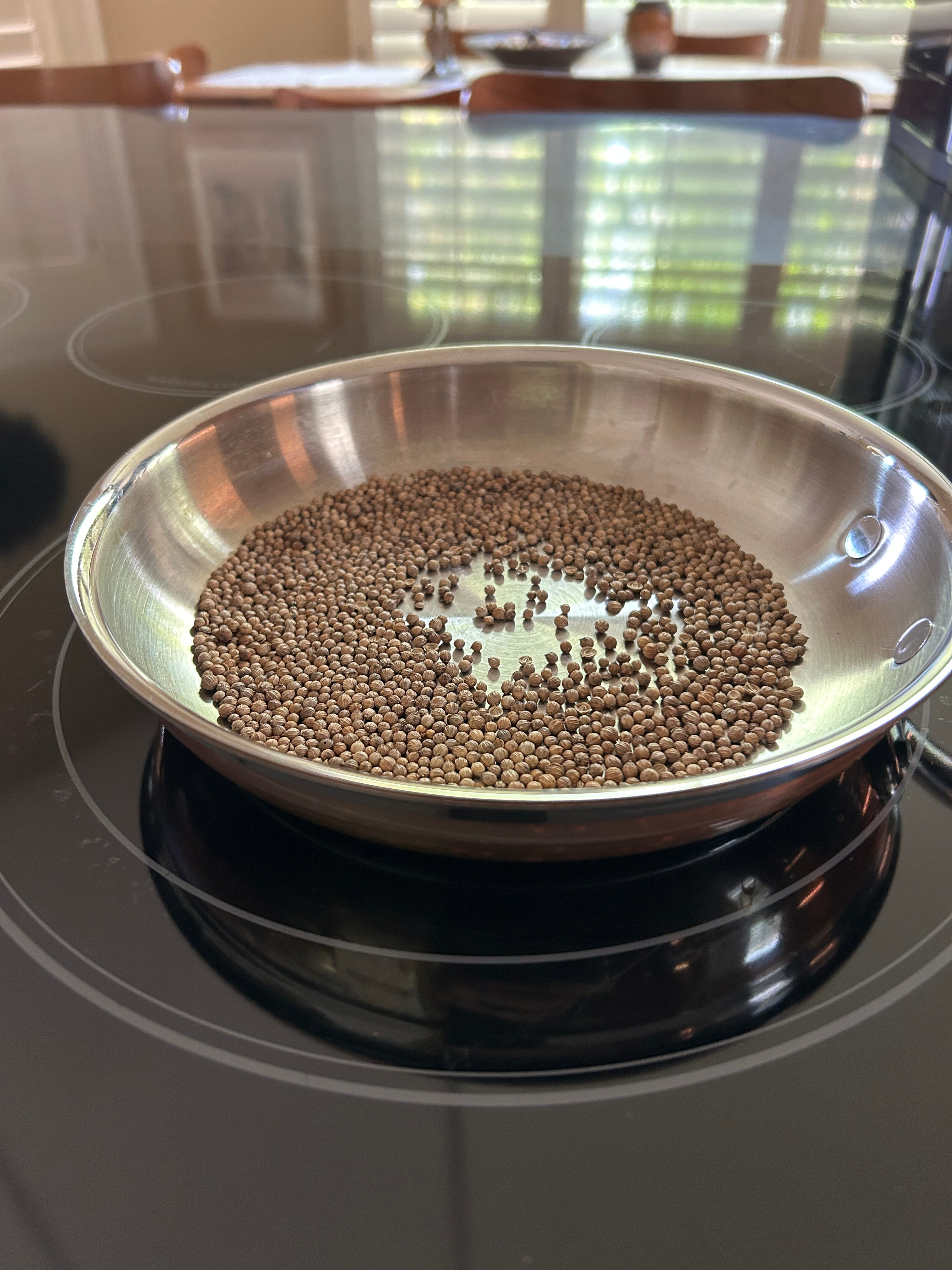
Dry-roast the coriander seeds until you can smell their aroma; do not burn them!
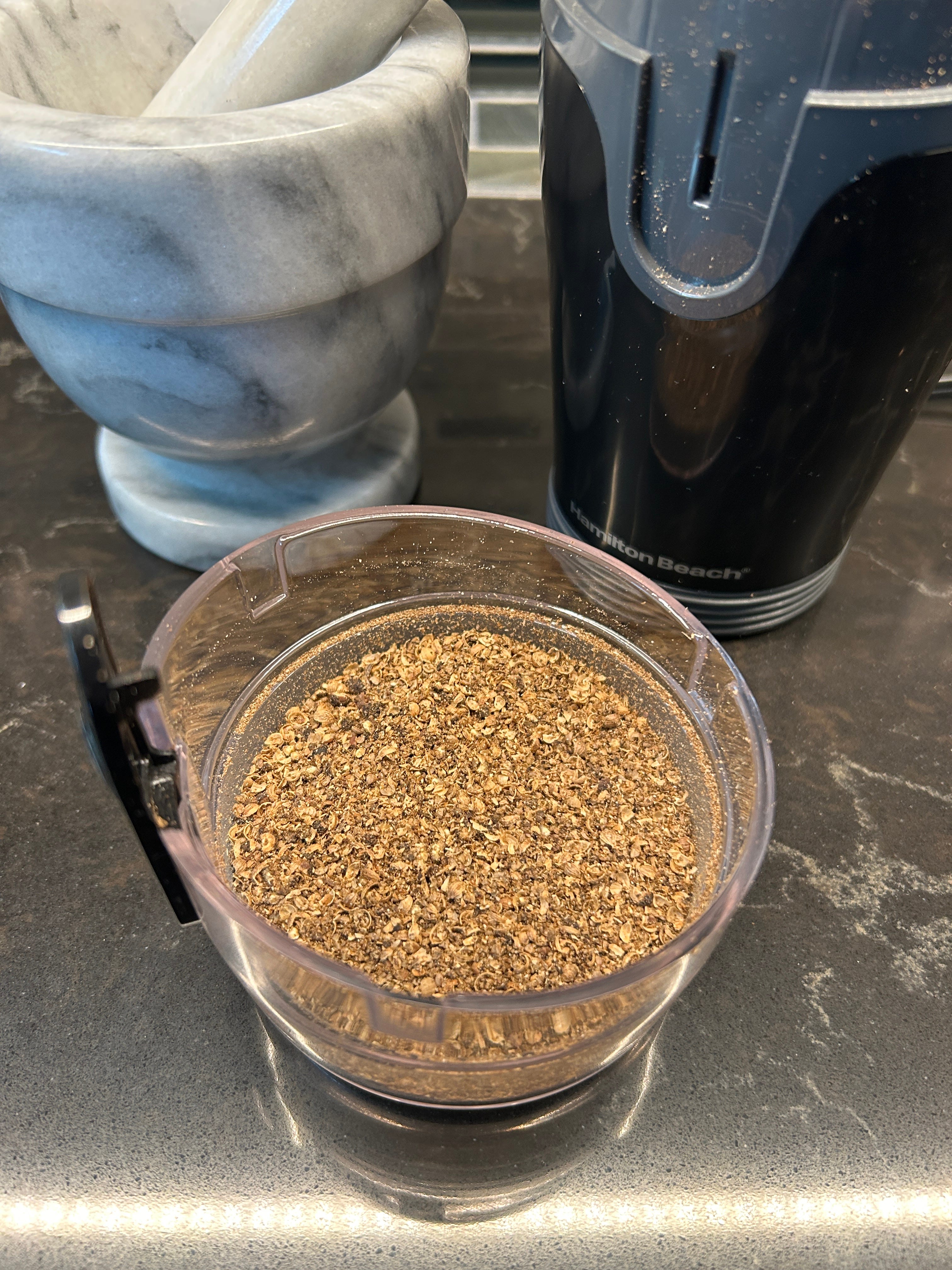
Grind the coriander and peppercorns. I used to use a mortar and pestle for the coriander, but upgraded to a small coffee grinder last week - it’s much quicker and easier.
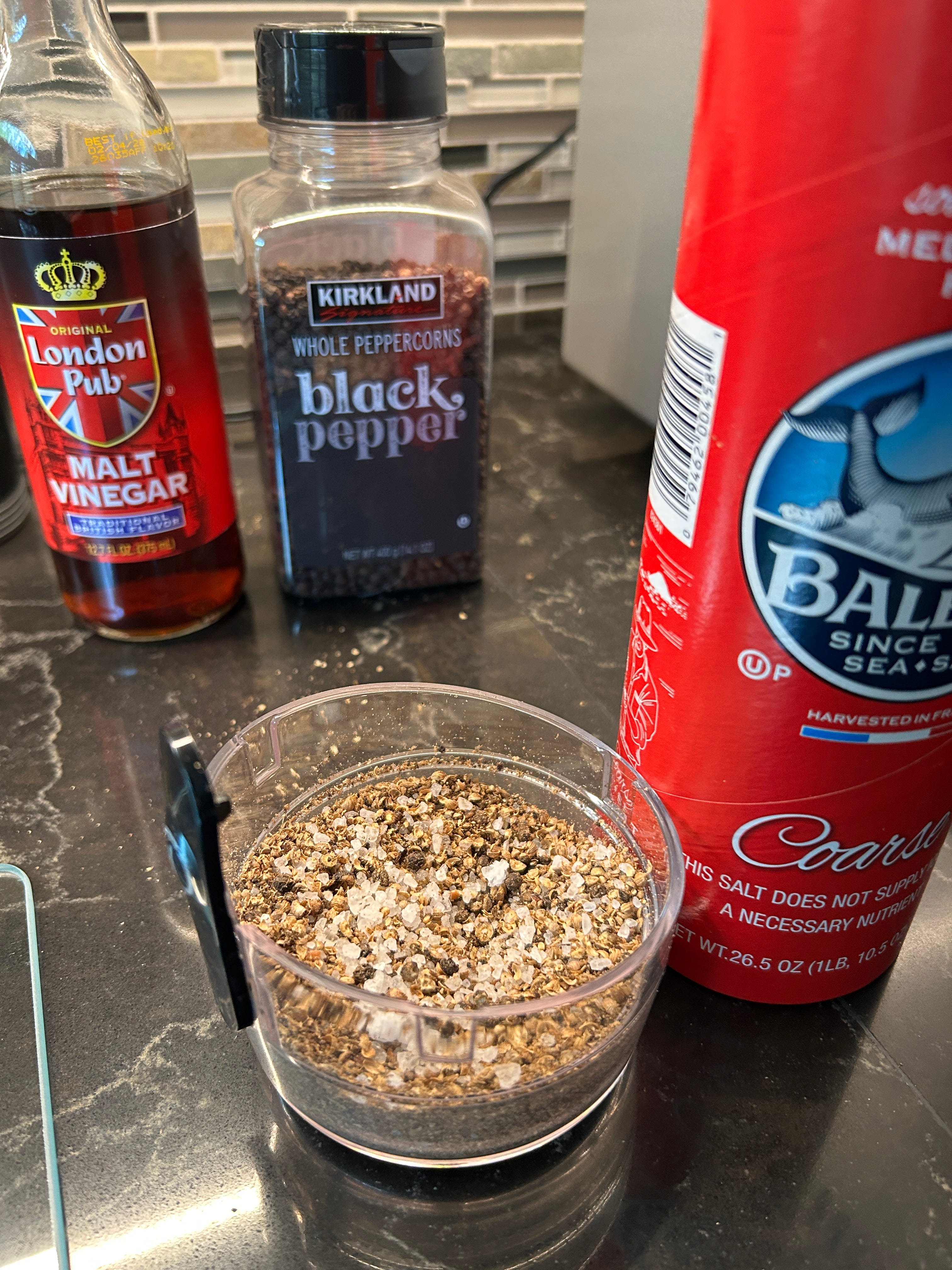
Add course salt, not too much, you don’t want the meat to be overly salty.
Cut the meat into slices, about 1/2 inch thick, with the fat along the side. In SA, we get fattier pieces of meat, which are really yummy if you like that sort of thing!
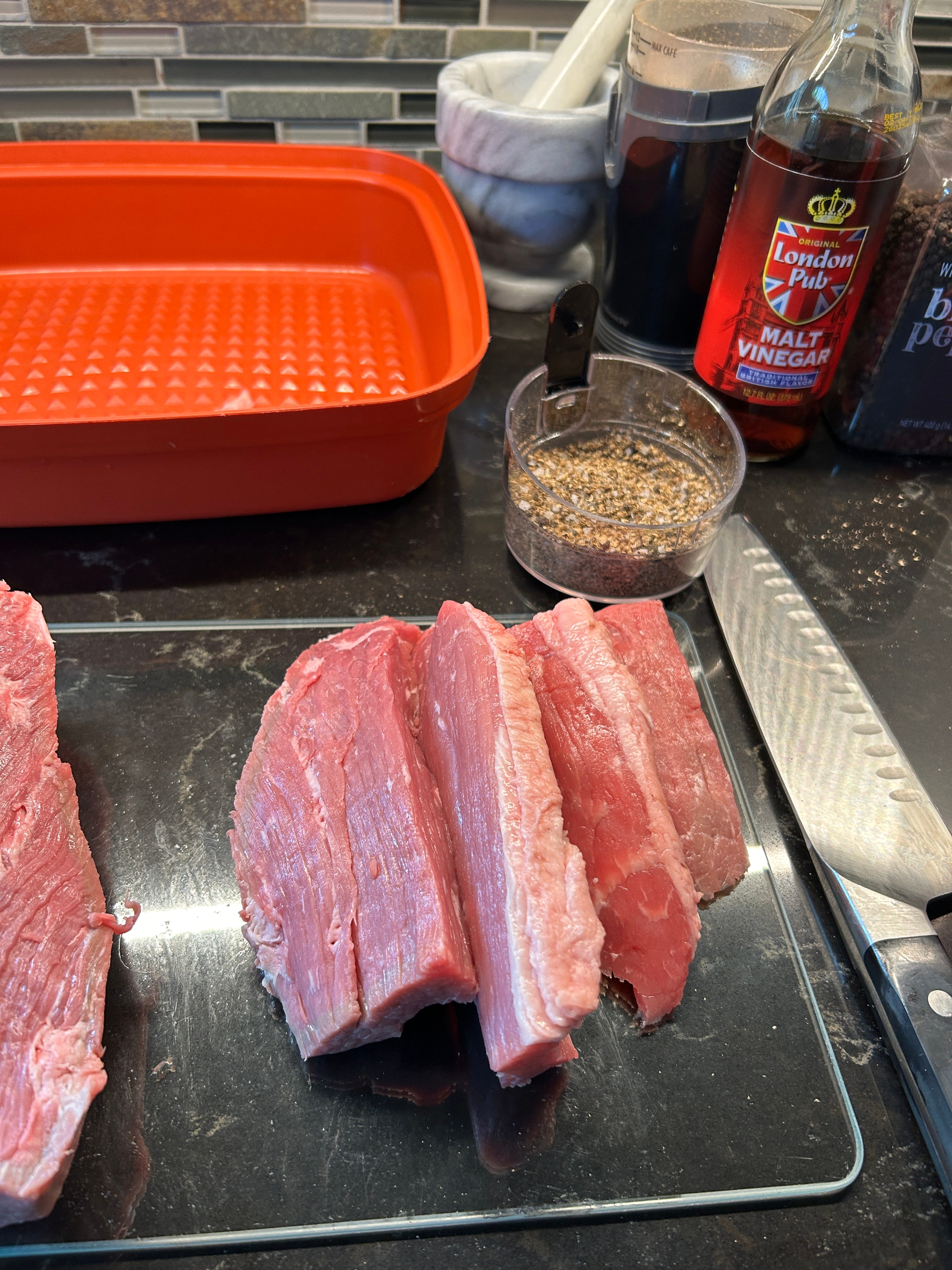
Drizzle malt vinegar on each piece, ensuring that both sides are coated and that the vinegar is well spread across all the pieces.
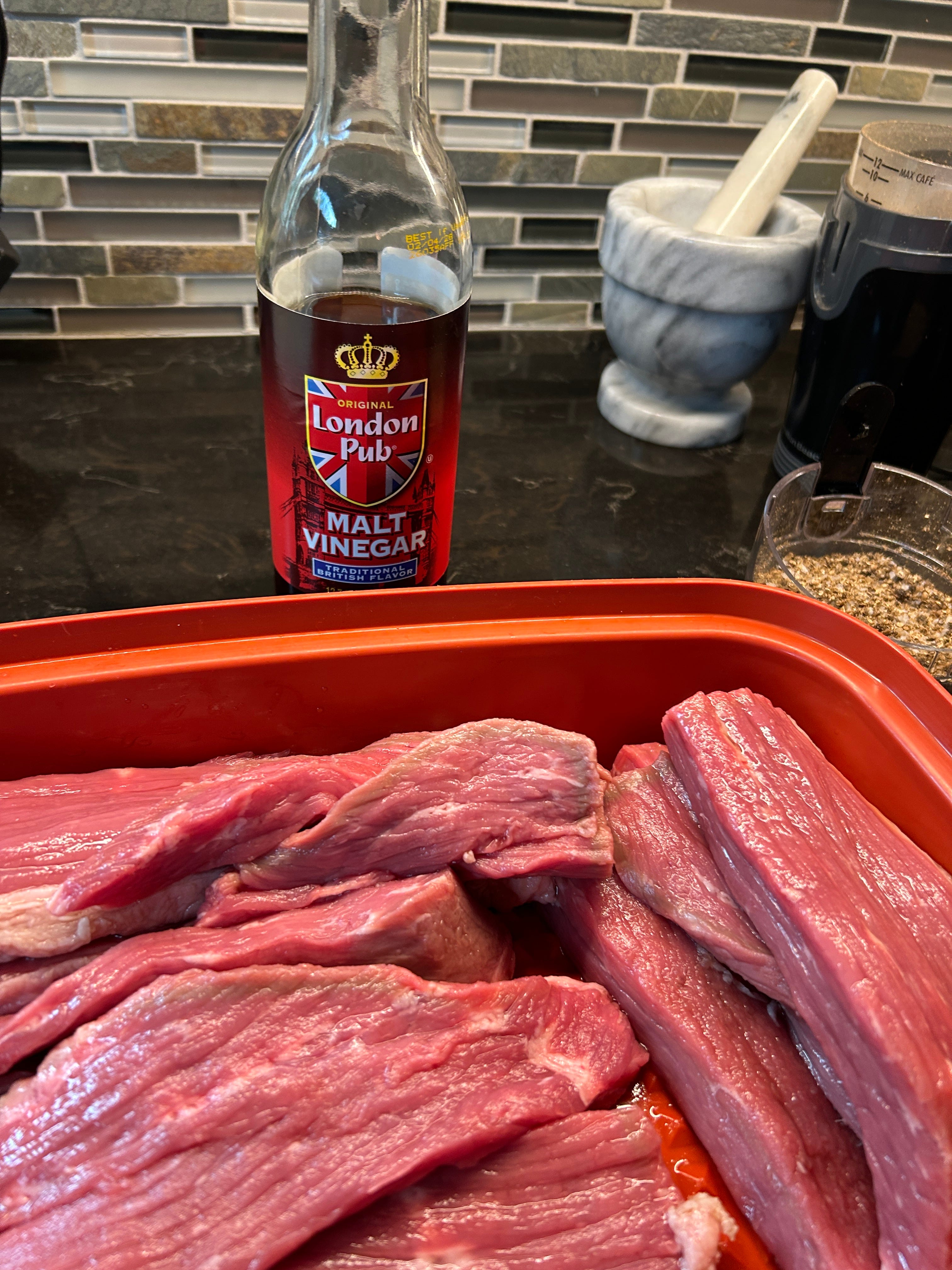
Add the coriander, peppercorn, and salt mixture to each piece of meat, ensuring that they are well coated.


Place in a sealed container or sealed gallon freezer bag, and put in the fridge for 24 hours. I use my mom’s old Tupperware marinade dish.
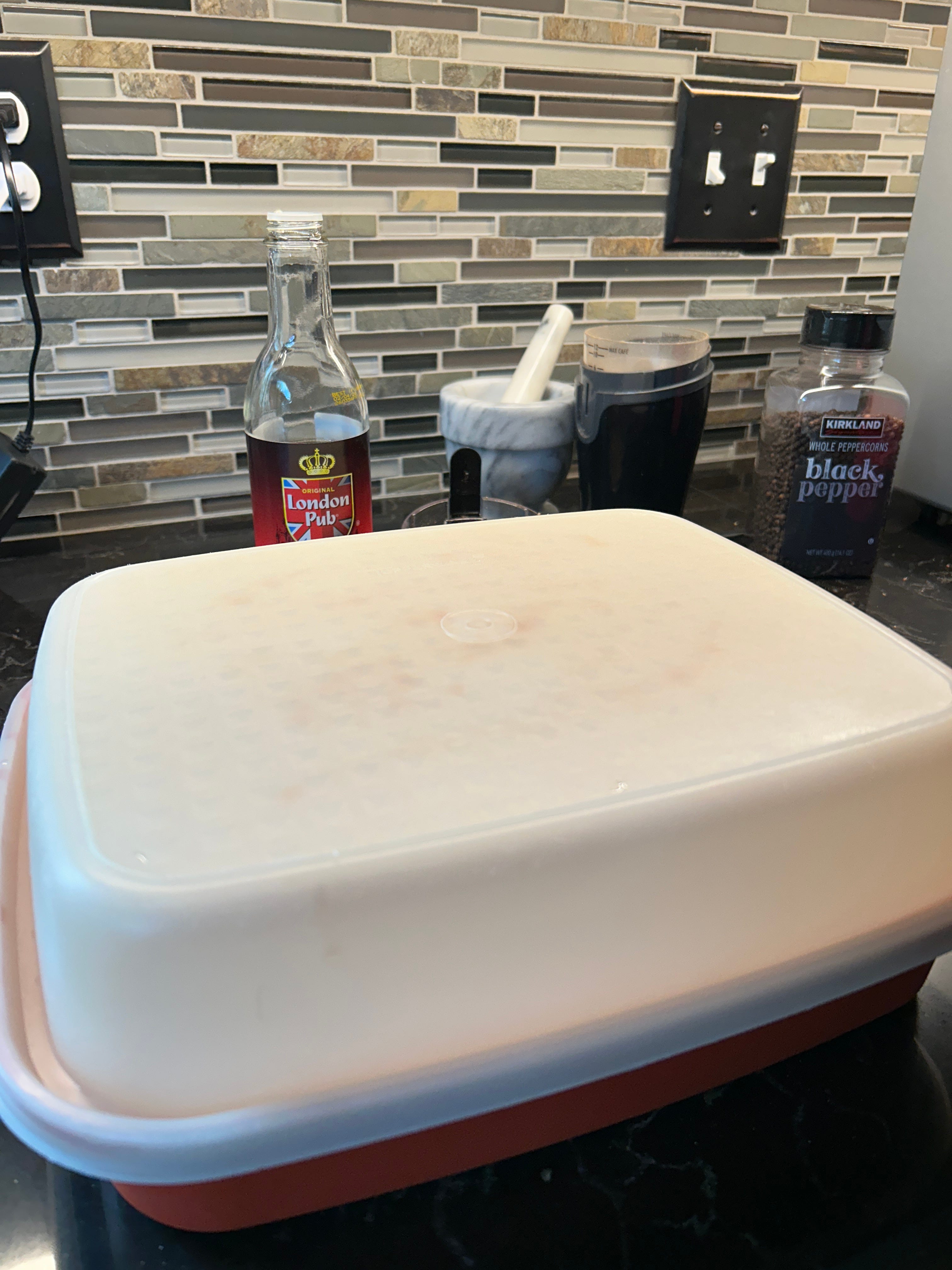
After the flavors have had a chance to permeate the meat, it’s time to hang it in the dehydrator. Tim built me a lovely one for my birthday this year, and it works brilliantly. You can also purchase dehydrators, such as this NESCO model, which I used until my gift arrived. Regular dehydrators are a little too hot; the lowest setting is 90º. The biltong box uses just a light and a fan, but that’s just my opinion as a biltong snob. The dehydrators do work relatively well.


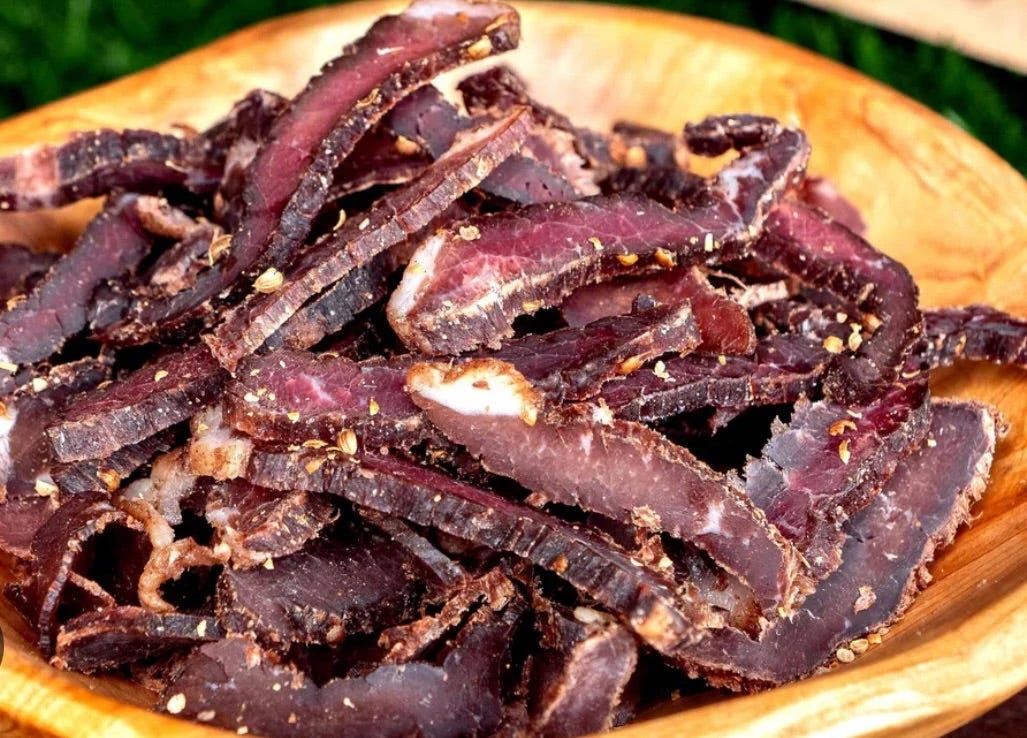
After about 3 days, the biltong is ready to be enjoyed; a little moist and not dessicated. You can cut it into slices and serve. I’ve never taken a photo of the finished product before (too busy eating!). This photo is courtesy of Frankie’s Free Range Foods.
...
It will be difficult, if not impossible, to get into the US, but kudu biltong is outstanding, and so is elephant.
You are making me hungry! Thank you for the recipe.