
Is it Good to be a Woman?
An essay and reading recommendations for the ladies.

The following essay is drawn from a number of books listed at the end, as well as a series of lectures by Dr. James Bushur at Concordia Theological Seminary, Fort Wayne.
“She opens her mouth with wisdom,
and the teaching of kindness is on her tongue.
She looks well to the ways of her household
and does not eat the bread of idleness.
Her children rise up and call her blessed;
her husband also, and he praises her:
“Many women have done excellently,
but you surpass them all.”
Charm is deceitful, and beauty is vain,
but a woman who fears the LORD is to be praised.
Give her of the fruit of her hands,
and let her works praise her in the gates.”
Proverbs 31:26-29
What kind of question is that?
In recent years I have read a great deal about feminism. This was because I was starting to wonder, is it good to be a woman? It’s a question our society has been decisively answering in the negative for many decades until finally, the answer seems to be that being a mediocre man is the best a woman can aspire to. In film, in fiction, online, in real life, it doesn’t seem very nice to be a woman. The last movie or television show I saw where a female character was remotely likeable (not rude, bossy, overbearing, or sarcastic), with very few exceptions, was from the 90’s. I’ve read lots of contemporary fiction, and the female characters are almost universally annoying, unkind, and condescending, especially toward men1. The women we see in public life are hardly models of feminine gentility and elegance. As someone who did not grow up revering the Virgin Mary (something Lutherans can and should do; it is part of our heritage as true catholics), I did not see a lot of good examples of women in the church. I had to ask myself, is it a good thing that God created women? Am I glad to be a woman myself? Is God glad He created me?
Modern society is not unique in asking these questions. Since Eve took the forbidden fruit and sin entered the world, we have been asking what it means that God created us male and female. Feminists and Biblical critics have long pointed to certain passages in the Bible and in some of the writings of the Church Fathers as proof that Christianity’s answer to this question is at best derogatory and at worst dismissive. Unfortunately, theirs are the voices most easily heard and read by modern women and the truth and beauty of the Gospel and God’s good purpose for women is often drowned out. Can Christianity robustly answer these questions? I wasn’t sure for a long time whether God did a good thing when He created me female. Though there are days when I still wonder, I believe I can answer these questions through the lens of my Christian faith.
The Act of Creation
It is good to be a woman, and it is good that God created us. At the most basic level, it is good not just because of the innate ability women have which men do not, the ability that helps perpetuate and nurture the human race, but because in Genesis, God tells us that without the woman, creation itself was not good. God honored our creation out of all the others by taking our substance not of the dust of the ground, nor by speaking us into existence as He did with the substance of the world, the birds, the sea, and the animals, but from the very crown of His creation: the man. God gives humankind tasks, to be fruitful and multiply, so God created Eve to make these tasks possible, brought her to the man, and God saw all that He created once He had united the man and the woman and He said, “it was very good.” (Genesis 1:31). We know God did not make a mistake when He created and brought Eve to the man, because He tells us so.
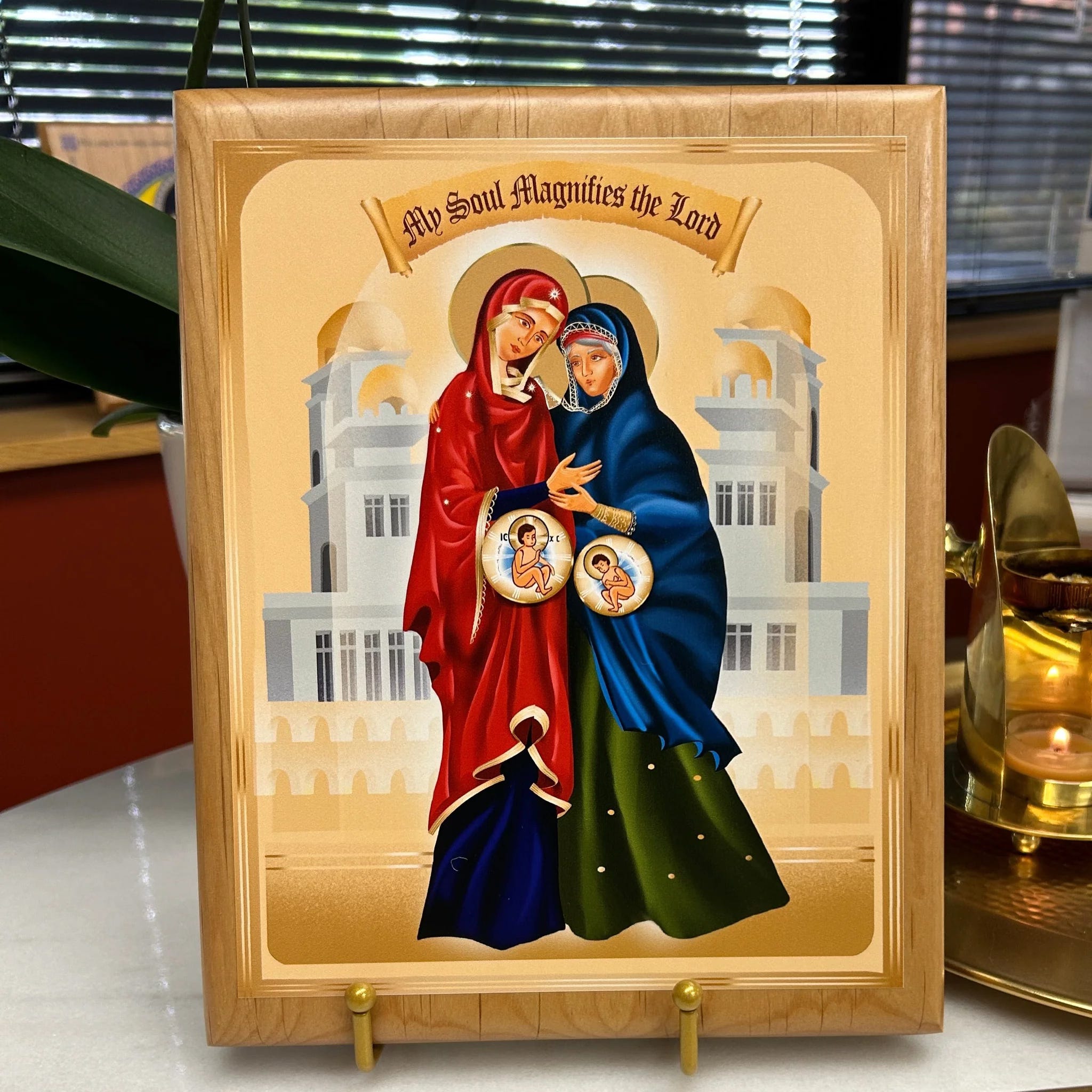
Sometimes it is hard to accept this as the answer to those questions, because it doesn’t point us to something we can tangibly grasp or argue for, but it is the answer, because it is in God’s Word. We are not discussing men in this essay, but I want to remark here that for men, because of the way God created them, it seems much easier to point to tangible things to argue for their worth and significance. Think of the great men of history and you will be able to name more than a dozen off the top of your head who changed history for better or for worse. Jesus was a man and God is Father. Both masculine roles. Think of feats of great physical prowess and, more than likely, it will mostly be men that come to mind (I think of Michael Jordan and his superlative basketball abilities, or Usain Bolt).
In almost every physical way except one, men are more capable on average than women. In a world of “might makes right,” men always triumph. It is harder to think of great and influential women, or women who have accomplished great physical triumphs that are applauded and esteemed. Our roles and abilities have always been less grandiose, more obscure. Joan of Arc, some queens of Europe, and Margaret Thatcher come to mind when I try to think of a famous and influential woman. None of those examples are remarkable because they were very womanly, but because they were in the typical role of a man and incredibly, excelled.
When was the last time a woman was acclaimed and made famous for doing what a woman does best? Perhaps Mother Theresa is the most recent example of a woman acting like a woman and thereby winning the acclaim of those around her. But typically, that kind of work goes unnoticed. Think about the women of the LWML in your own parish, whose work largely enables the church to continue to function, but none of whom is lauded across the land. Think of the Altar Guild, who calmly, quietly, and reverently assemble the elements and clean the altar for the blessed Sacrament. We do not stand and applaud them or publish them in the paper or interview them on tv or record their names for history and to be memorized by school children. As we will discuss later though, that’s as it should be. Our role, which is just as important and valuable as a man’s in different ways, is not to be center-stage but to be in quietness and humility, the very role of the Virgin Mary. She neither excelled at arms, nor brokered great peace, nor won the acclaim of the masses of her time, and yet she is possibly the sole, most famous, and greatest example of womanhood in all of history now and forever because she did what only a woman could.
Back to our creation, then. There are a lot of examples of how much God honors women in His act of creating them, but we will touch on only one other example: communion. It was only through God’s creation of woman that man was able to have communion with another like himself just as God the Father has communion with God the Son and God the Holy Spirit. As a lone and lonely creature, Adam could not embody the image of God. Human beings were created to reflect the nature of God, but without both men and women, this would not be possible. So, it is good to be a woman, in the past, in the present, and in the future, and it is good God created women.
So far, so good. God’s creation was good. But is God’s “very good” revoked when Eve takes the fruit? No. Even after the fall, God affirms what He has done, giving Eve and her female descendants a pivotal role in His redemptive plan, saying, “there shall be enmity” between the children of the woman and the children of Satan (Genesis 3:15). Eve played a key role in the fall and because of that, by our human reckoning, women ought to be put aside and no longer considered a part of God’s good and gracious will.
We would assign blame and responsibility and punishment as human beings, but God took the blame, took responsibility, and finally, took the punishment. He does not retaliate against the woman’s disobedience. Instead, God brings about His plan of salvation through the unique capacity of a woman. It was a woman who bore the Holy Son of God in her body as the new Ark of the Covenant (the bearer of God’s Word and physical presence in the Old Testament, the place where the cloud of glory would rest), and it was her child, Jesus the Christ, who then bore the sins of the whole world.
It is this and every other good thing about being a woman that the devil, through feminism, has attempted to destroy. He has nearly succeeded.
Book recommendation: The End of Woman: How Smashing The Patriarchy Has Destroyed Us, By Carrie Gress
Books about the lies of feminism are becoming more commonplace as women the world over are waking up to its realities. Part of why I want to recommend The End of Woman is because it is not just a secular examination, but an overtly Christian examination of what has taken place in the world because of feminism. As Christian women, I want to encourage you to be informed about these ideas and, as the Bible says, take them captive to obey Christ (2 Corinthians 10:4-6). Feminism is often characterized as the advocacy of women’s rights based on the equality of the sexes. As we shall see, however, that is not and has never been what the underlying ideas of feminism contend.
The lies of feminism are appealing to women because of our fundamental sinful desire as laid out in Genesis 3 when God handed down the consequences of sin. Our desire “is for the man.” Many have linked this to our desire to be with men, but that is far more simplistic than the reality. Our desires are for the man in that we desire what it entails to be a man. Man’s capacity, his authority, his place in the world. It is appealing to think we should be at the head, we should wield the authority, and that we should, in essence, give up our femininity to be like a man: only then will we get the acclaim and recognition our sinful flesh craves.
Feminism encourages our sinful nature by teaching us that this is not only achievable, but our right and our destiny as women, to usurp the place of men. It doesn’t just advocate for our ‘rights,’ it desires our superiority in all things so we may come to wield the dominion and authority God gave to men. I’m sure you have heard the phrase, “the future is female,” for example. Do not let these lies and deceptions speak to you. Take them captive and, though they are difficult to ignore, obey the good and gracious will of God instead. The purview of women is a quiet, humble, and submissive strength that no man but Jesus, who is our model, can match, because it was not given to men to do this, but to women.
Some books that cover this topic are written by former or current feminists, some have been by anti-feminists, all have included very damning material in terms of feminism’s harm on women, children, men, the government, economics, politics, religion, health, the family, society, history, pop culture, the military, procreation, the university system, etc. (the list could go on, there is almost no part of our modern world that has not been adversely affected by the ideas of feminism). I am not arguing here that feminism is the root of all evil and all problems plaguing our society, but it plays a heavy role in those problems because it is so deeply ingrained in our social consciousness at almost every level.
The problem with some of those other books is their lack of “telos,” a Greek word meaning “an ending” or “closure,” i.e., the close of something with all its results. It is the word Jesus uses in Matthew 10:22 when describing the persecution Christians will experience in the coming centuries, “…and you will be hated by all for my name’s sake. But the one who endures to the end [telos] will be saved.” This word doesn’t just refer to the time when something will be finished; it refers to the end of time, when Jesus will return and bring an ultimate closure to everything, in other words, the telos of the world. It is our telos that gives purpose and meaning to our lives or strips us of that meaning. Christians know our telos is with God; that gives every moment meaning because as St. Paul said, “to live is Christ and to die is gain.” (Philippians 1:21) If we live, God continually gives us each and every breath with which we serve and worship Him, and if we die, we go to be with God in everlasting righteousness, innocence, and blessedness. Our telos colors everything we do and everything we are; therefore, the question of whether or not it is good to be a woman demands an answer that gives women more meaning than nihilism, hedonism, or the self-destruction the world and feminism offer.
Of all the books I have read, Carrie Gress’ comes closest to delivering that answer, but even then, it is in the Word of God and His love and care for women where we will ultimately find our telos. We already discussed how God’s creation of women shows how special we are, and as we go through Gress’ book we will address more examples of God’s love and care for us as women.
Good Vulnerability
Gress herself asks the same question we started with (is it good to be a woman?):
“Years ago, my small daughter asked me what is better about being a girl than a boy, and I didn’t have an answer. That little question got me thinking and working through the actual attributes, gifts, virtues, and qualities of women that we sweep under the carpet because they aren’t in fashion. What we need as a culture is a new grammar, a new way of speaking about women altogether beyond the sterile “she’s a human being” rhetoric. We need to look at ourselves as body and soul, working together, and to consider women within a context and a family instead of as an island amid a sea of people.” (Page 176)
The context within which women must be considered is vulnerability. According to Gress (and common sense), vulnerability is much more sharply defined for women than for men, because we have a unique capacity men do not have. Gress illustrates this with a story about a woman who was lured from her family, impregnated and abandoned, and then arrested when her baby freezes to death because this woman could not provide proper shelter for herself or her child. A horrible story illustrating what can happen to a woman and the product of her uniquely capable female body because of its unique vulnerability. We don’t like to admit women are uniquely vulnerable because we have grown used to the idea that we are the same as men, who are not uniquely vulnerable in the least. This is one of the fundamental things that makes us different from men! We will always be more vulnerable than men, and that is why we have always been treated differently from men. That treatment has sometimes been brutal just because we are more vulnerable, but it has also often been extremely gentle (think of the chivalric code of the upper classes in medieval Europe, for instance).
In God’s Word, however, He says to be kind to the orphan and widow. When Jesus encountered vulnerable women, He always treated them with gentleness (this is where the chivalric code came from, after all). In the story of the adulterous woman in John 8, Jesus not only refused to stone her for her crimes, He protected her from the wrath of the crowd around her even while exhorting her to “go and sin no more.” When Jesus was dying on the cross in John 19, He looked at His mother and, knowing her vulnerability as a widow, directly asked the disciple whom He loved (John the Evangelist) to look after her. Jesus is the example of how we are to treat women as uniquely vulnerable, not with ‘kid gloves’ (He wouldn’t have rebuked the woman caught in adultery if He was doing that), but with kindness, gentleness, and above all, the love that lead to His death on the Cross and the forgiveness of our sins.
God Himself has given to women roles in life that are uniquely vulnerable and serve good and unique and wonderful purposes. Our society likes to imply that vulnerability, dependence on other people, is disgusting and wrong, but without these things, there would be no society! Throughout her life, a woman will be a Virgin, a Bride, a Mother, and a Widow, roles that place her, at times, completely dependent on those around her. Sometimes she will pass from one role to another, sometimes she may never physically enter into one or several of the roles, though as Gress will point out later, every woman is called to a kind of motherhood, even if it is not physical motherhood. A woman may even be in multiple of those roles at once. Each one offers her a unique place in relation to God and to her fellow man. And each role includes a unique vulnerability because they are uniquely female.
Feminism, however, seeks to destroy differences between men and women, not to make us equal and thereby somehow diminish or erase our vulnerability as is so often argued, but to make women superior to men. Feminism would take the role of virgin and replace it with “love is love,” degrading a woman’s sexuality to such an extent that virginity is now seen as a joke. Feminism would erase the capacity of women to fulfill the ancient and continuing role of women as mothers through birth control or sterilization procedures. Feminism would have a mother become the murderess of her own children, and it would not even afford women the opportunity to be brides, to say nothing of widows. Feminism argues that women are superior to men, not that we are unique (Gress addresses this when she discusses the history of the movement and we will discuss it briefly below). It argues that our capacities, our unique vulnerability, is to be subjugated in pursuit of our desires and accomplishments. It takes the good purposes God has given that come with limitations, and things that interfere with our dignity, and difficult things, and hardships, all leading to growth and life, and replace them with instant gratification and a descent into vice and dishonor. God, through the roles He has given us, grants us opportunities for daily sanctification, a dying to ourselves, that makes us resemble Christ more and cultivates the virtues He offers us. Feminism offers emptiness.
Identity
Gress explains this through the next few chapters of her book. The history she describes is very likely unfamiliar to anyone who has not sought it out specifically, but it is important to understand where feminism, at its most basics, comes from. People like to say the “first wave” of feminism was founded on pure motivations, such as to prevent the kind of abuse Gress described in the story of the abandoned woman. But feminism has, from the beginning, been rooted in elevating women and demeaning men. The occult, goddess worship, and theosophy (a philosophy that places human beings in the throne of God and aims to take the place of all other religions) have been the driving forces behind its political, economic, and social movements. Most of all, Gress says, feminism seeks to divide men and women in order to destroy the family:
“Feminism has pitted the sexes against each other. Rather than looking, as men and women, for solutions to their problems together, both sides continue to hurl blame across the aisle in an endless argument. Women blame men, and men blame women. The rift is felt everywhere but is rarely healed, as politics and rhetoric elide personal relationships.” (Page xxi)
What can heal such a rift? The defeat of feminism is certainly a desirable goal, but we Christians know that as long as the world exists, people will seek to be gods. People will worship themselves as they have from the beginning.
Something God’s Word gives us that is unique among all other “vain philosophies,” (Colossians 2:8) however, is that we are defined outside ourselves. Jesus not only shows us how to treat those who are more vulnerable, He teaches us how to treat ourselves. In baptism, we are given a name we could never earn from within ourselves—God’s own name. When we enter the family of God, we become sons of God (the use of sons is deliberately masculine, because it was the Son of God who died, who covers us with His blood and clothes us with His righteousness.
As women, we are precious because when we are Baptized into the Son, we become sons of God, inheriting glory along with God’s only begotten Son. We are not less equal or valuable than a son, we inherit with The Son. We matter because the Son mattered for us. This kind of masculine language has long been thought of as demeaning and exclusive, but it is, in fact, the way God shows how important His people, both men and women, are, that they would share in the inheritance of His True and Only Son). As Christians, we are then given unique relationships with everyone around us. Even the stranger on the street to us can be either a lost sheep or a wolf: someone we love and seek to help through prayer, the sharing of the Gospel, or works of mercy, even if they ill treat us. The Christian guest from Hungary is just as much in our family as is the elder at our church. Even the unbelieving heathen is precious to us because they are created by God and His Son died for them. Physically closer than that, however, are the vocations of daughter, sister, mother, wife, and widow which God bestows on us through the relationships formed by our bodies.
As we discussed earlier, these are God-given roles that pertain to the Virgin, the Bride, the Mother, and the Widow, that each woman passes through in her lifetime. Each of these identities is given to us, not something we create or generate ourselves. A man marries us and makes us his wife. A woman and a man together must make a new life, and it is God who creates and sustains it. God gives us our siblings and our children and our parents. None of these things is earned or deserved, all are given, almost always physically (even things like adoption still create close physical relationships that are governed by physical proximity and our bodies). We learn from this to treat ourselves as someone whose worth and identity is defined by what God says about us, not by our desires or failings or even, though they are important and make us different from one another and unique, our capacities and vulnerabilities. Every relationship God gives us in our life comes with a vocation that simultaneously defines, limits, and frees us to serve Him in the way He has graciously ordained.
This message, that each relationship and each person in our life is given by God, is lost in feminism, which seeks to fragment and destroy. We already discussed it above, but feminism and the world views limitations and dependence and a loss of dignity as disgusting and irretrievable. God gives human beings the capacity to change (after all, we have the remarkable ability, through Baptism, to go from being a soiled and condemned wretch, to a bright and shining new creation in Christ). The vain philosophy of the world would keep us enslaved to our sin and desire, never affording us the opportunity to grow and mature from what we want into what God has given us to do.
Feminine Capacity
Gress makes this point in part three of her book, which turns to the most recent decades of feminism and what it has accomplished:
“What happens after fifty years of indoctrination into the idea that men and the male lifestyle are intrinsically superior to the lackluster life of ladies?...What started innocently enough [with] the claim that women are human beings and not chattel or slaves – took on a different meaning. As the meaning of woman was emptied of particulars, the overarching terms “human being” or “people” were adopted to define “woman” without resorting to any female characteristics.” (Page 133)
This refusal to use female characteristics when talking about women has, says Gress, led to the inability of people in Western societies to identify what a woman even is (if you haven’t already seen it, Matt Wash’s What is a Woman? documentary is well worth the watch). Our worth is defined by God outside ourselves, but our differences define what we can and cannot do by the relationships they establish, as we discussed above. Feminism, which says women can and should do whatever they want, has led young girls to mutilate their bodies in pursuit of an even further twisted masculine identity. It has led women to behave as the worst kind of men: promiscuous, vulgar, aggressive, and abusive, in an attempt to erase their vulnerability and destroy their relationships with other people, relationships that might require them to be less than independent. God has given women so many gifts! But feminism turns those gifts into burdens and convinces women we need not abide by our God-given abilities or inabilities. Again, feminism preaches that limitations are unkind and untrue but, as we’ve discussed, God gives us limitations for our good. Gress points out the most obvious, though by no means the only limiting gift God has given to women in the final chapter:
“As uncomfortable as it is to say, we have to consider women as mothers – even if, of course, many among us aren’t mothers now or won’t become mothers. All women are called to a type of psychological or spiritual motherhood in our relationships with others, where we look out for the best interest of others, mentor them, and help them grow.” (Page 176)
Again, it is not our capacities that give us worth or identify us. God defines who we are: His beloved children. But He doesn’t leave us wandering in the ether; He gives us tasks to do that are connected to the physical body He created for us. He limits us. He shows us, through His Word and through His creation, what we can and cannot and ought and ought not do.
The Holy Virgin and Her Son
Our example in this type of womankind comes from God through the Virgin Mary, who did not assert her independence and rebel against God’s design as Eve did. Instead, she humbled herself and took on the unique vulnerability of womanhood: she bore a child. She submitted to the care of her husband Joseph, knowing she would not be in a position of power, knowing her reputation would be sullied, all because God had given her a greater purpose. We learn this also from Jesus, who submitted to the will of the Father, though it cost Him everything. St. Paul says Jesus “emptied himself, by taking the form of a servant,” because He did not want to grasp and cling to equality with God. He did this because He loves us. St. Paul continues,
“And being found in human form, he humbled himself by becoming obedient to the point of death, even death on a cross. Therefore God has highly exalted him and bestowed on him the name that is above every name, so that at the name of Jesus every knee should bow, in heaven and on earth and under the earth, and every tongue confess that Jesus Christ is Lord, to the glory of God the Father.” (Philippians 2:8-11)
Jesus is the ultimate example for us as women. He laid aside Himself and gave everything of Himself to serve others. He counted others as more significant than Himself. He did this not for personal glory or recognition, but because by doing it, He could serve God and serve us. It is this kind of love that animates women to give of their bodies, their souls, their hearts, their minds; to pour themselves out in service to other people, whether that is through physical motherhood or through the other kinds of nurturing relationships which God places in our lives. It is this kind of love God places in our hearts as women and it is this love of God that gives us our telos. Our ending is in Him, as is our beginning, and He has given great purpose and meaning to our lives.
Conclusion
Carrie Gress’ book is a great read for all Christians, but I especially hope and pray that women will read it and think deeply about the ways in which they may have been influenced by feminism. I am not a feminist, and I did not grow up around them. Nor was I encouraged to become one or think like one. Unfortunately, our culture has so imbibed the messages of feminism that even someone like me is more of a feminist than I realize and my mother and aunts and even my grandmother inadvertently passed on some of the most insidious ideas of feminism (most women in the current and last two or three generations swallowed enough of the messaging of feminism, even in conservative, Christian households, that they are themselves feminists, though they would not own the label). I am not a feminist, but I have grown up listening to them almost every single day through multiple mediums. You cannot go through life with that kind of bombardment of ideas and not adopt those patterns of thinking. I have been grateful beyond belief to have come ‘awake’ to those messages now and be able to thoroughly examine them in the light of the Gospel, the truth which sets me free. I no longer have to doubt whether I am valuable as a woman or whether God is glad He created me. It is good to be a woman.
Think of the kinds of examples we receive in the Scriptures and the lives of the saints. As I pointed out earlier, it is the Virgin Mary we want to emulate, not Eve. It is Deborah, who submitted to the shame of taking over Barak’s position because God called her to in order to teach Barak a lesson, not because she was well-suited to it, whom we want to look to for guidance, not Jezebel who ruled even over her own husband, the king of Israel. It is Rahab, Ruth, Mary, Martha, Saint Monica, Saint Philomena, Saint Felicitas, Saint Perpetua, and the myriad other women of the church we ought to look to, even and especially the most obscure and humble little old ladies who have worked in the background for decades without the slightest recognition. Even greater than them, however, we look to Jesus, the founder and perfector of our faith, who for the joy that was set before Him, endured the Cross, despising its shame, and is now seated at the right of hand of the throne of God, and He will come again with glory, to judge both the living and the dead (paraphrase, Hebrews 12:1-3).
Further recommended reading:
The ideas contained in this essay are drawn largely from Gress’ book, but they are also distilled from the following, which offer a well-rounded view of the effects of feminism and the sexual revolution:
Dominion, by Tom Holland. He discusses how our moral and political systems cannot be divorced from the God of the Bible (interestingly, Tom Holland is not a Christian, he is an academic who recognizes the significance of what he has inherited because of the Christian origin of Western Society, and desires to preserve it, despite his lack of personal belief in its authenticity).
Feminism Against Progress, by Mary Harrington. Harrington acknowledges the pitfalls of the cult of progress that says we will only grow more wise, more beautiful, more independent, more, more, more, etc. that causes feminists to believe their movement is just another step on the road to ultimate ‘progress.’
Hooked: The Brain Science On How Casual Sex Affects Human Development, by Joe Mcilhaney, MD and Freda Bush, MD. A more scientific look at what actually happens to human beings when they engage in promiscuous relationships, and how sex in the proper context is biologically and psychologically bonding for men and women.
Love Thy Body, by Nancy Pearcey. This book delves into more of the philosophical history of the trans-human movement and how it has distorted our view of our bodies and relations between men and women.
No Apologies: Why Western Civilization Depends on the Strength of Men, by Anthony Esolen. A very beautiful book in which Anthony Esolen goes through the God-given roles and abilities of men and why it is so important they continue to function as they always have.
The Case Against The Sexual Revolution, by Louise Perry. An excellent examination of how sexual liberationism has erased the unique qualities of womanhood and caused immense harm to the generations of women who have been drawn into the idea that sex is just another physical act.
The Rise and Triumph of the Modern Self, by Carl S. Truman. A deeply philosophical look at how the modern human views himself in terms of feelings and needs, not relationships and duties.
Them Before Us: Why We Need a Global Children’s Rights Movement, by Katy Faust and Stacy Manning. A book that offers a sad and stark look at what all these things – feminism, the sexual revolution, the destruction of marriage, no-fault divorce, etc. – have done to children, the most vulnerable members of our society.
Why male characters can get away with this and seem clever or at least amusing – think Tony Stark in the Marvel franchise, or John Wayne in any number of his movies – while female characters who do the same seem shrewish and unlikeable, is a discussion for another time.
 | A guest post by
|
It is good for a woman to be a woman.