
Another Antinomian, Another Shattered Marriage
Christianity doesn't require losing the power to judge, form, and preserve.

Philip Yancey is the latest Christian celebrity to dominate the headlines for awful reasons. The 76-year-old best-selling author, married to his wife for more than half a century, admitted to an eight-year affair with a married woman.
I am now focused on rebuilding trust and restoring my marriage of 55 years. Having disqualified myself from Christian ministry, I am therefore retiring from writing, speaking, and social media. Instead, I need to spend my remaining years living up to the words I have already written. I pray for God’s grace and forgiveness — as well as yours — and for healing in the lives of those I’ve wounded," Yancey wrote in a statement emailed to Christianity Today.
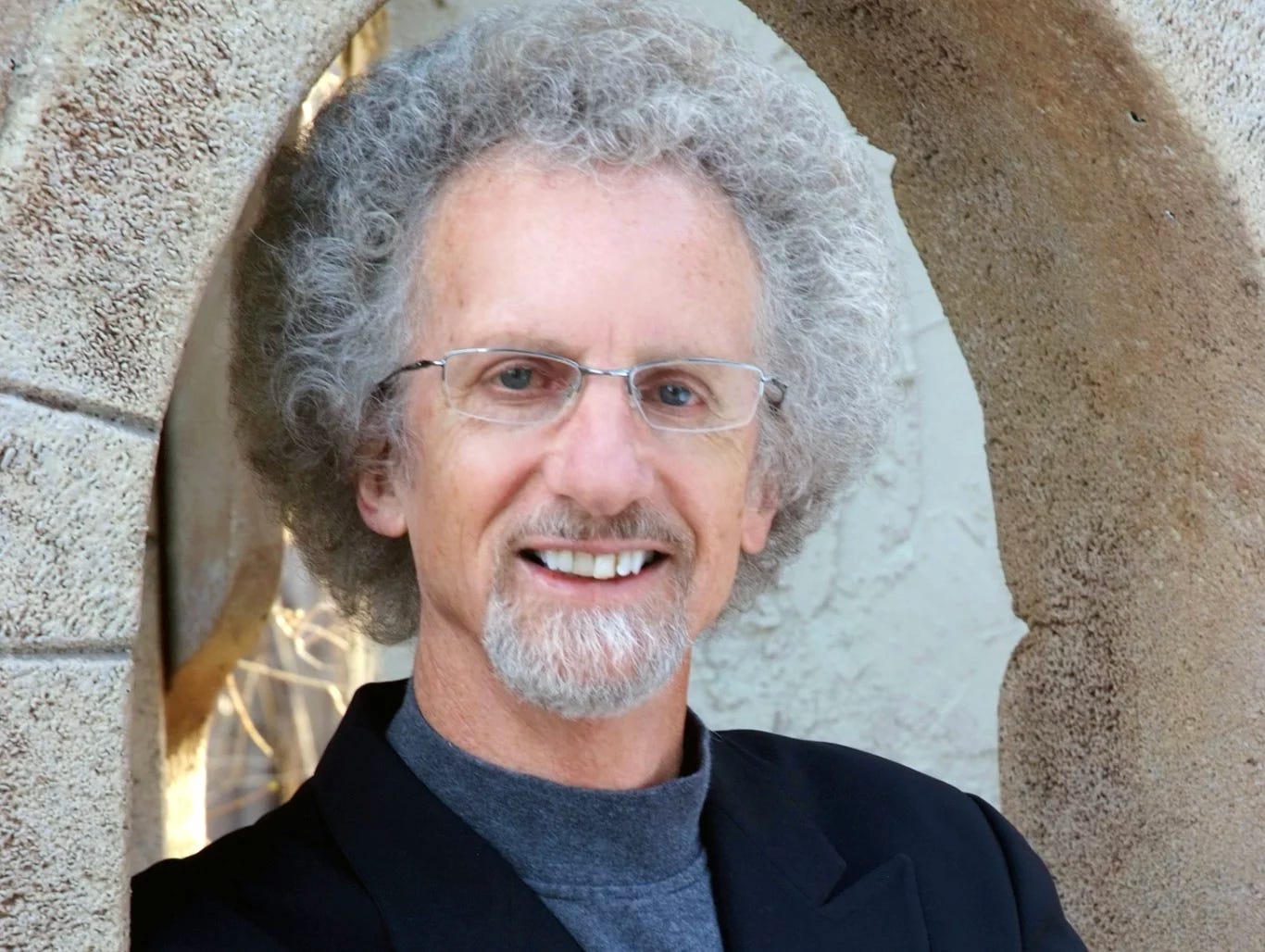
Yancey is a very big deal in the evangelical world and has played a multi-decade role in sowing the seeds of radical grace in Baptist and Fundamentalist fields. His books1, which have reportedly sold 15 million copies, topped by What’s So Amazing About Grace?, Disappointment With God, Where Is God When It Hurts, and The Scandal of Grace, have catechized a generation in a mushy posture of Christianese and winsome affect rather than sound doctrine.
Yancey was always the ready antidote to legalism, judgmentalism, authoritarianism, and what he brands as “unhealthy certainty”. In a nutshell his oeuvre seems to be a reaction to his childhood church, which he describes, with great certainty, to have been “toxic”:
Growing up in a strict, fundamentalist church in the southern USA, a young Philip Yancey tended to view God as “a scowling Supercop, searching for anyone who might be having a good time—in order to squash them.” Yancey jokes today about being in recovery from a toxic church. “Of course, there were good qualities too. If a neighbor’s house burned down, the congregation would rally around and show charity—if, that is, the house belonged to a white person. I grew up confused by the contradictions. We heard about love and grace, but I didn’t experience much. And we were taught that God answers prayers, miraculously, but my father died of polio just after my first birthday, despite many prayers for his healing.” About Philip Yancey
There’s a lot of bitterness there…
Yancey touched on enough truth in his books, especially that people felt, to be right, but his correctives were more solvent than a cure. Ultimately, the radical grace pathways laid out in his books and writings were signposts to his confessed infidelity. He gently erased the categories that restrain sin, discipline offenders, and preserve confession by severing grace from law and unmooring faith from doctrine.
The consequence of this antinomianism is always the same, as the whole New Testament repeatedly stresses: the outcome of lawlessness is not liberation from the law but bondage to unrighteousness.
11 For the grace of God that brings salvation has appeared to all men, 12 teaching us that, denying ungodliness and worldly lusts, we should live soberly, righteously, and godly in the present age, 13 looking for the blessed hope and glorious appearing of our great God and Savior Jesus Christ, 14 who gave Himself for us, that He might redeem us from every lawless deed and purify for Himself His own special people, zealous for good works.
Titus 2:11–14
Yancey’s blend of grace and doubt is a system that crushes the Law in the name of Christ and views appropriate Christian judgment as a terrible threat. Of course, he avoids flagrant antinomianism, but the teaching is insidious precisely because it embraces uncertainty as a great virtue, and is rendered sincere by heaping grace upon grace.
Grace, for Yancey, exists to scandalize the self-righteous, humiliate the moral accountants, and expose church hypocrisy. All superficially right and good, except that he never moved from forgiving, soothing, and destabilizing to bind, warn, or discipline, except for things he really dislikes. His equivocation relative to the clarity and demands of Scripture is most clear in his view of “Christian homosexuality”.
This is especially evident in how Yancey discusses the Holy Spirit, who is reduced to a sidecar passenger for your motorcycle, providing commentary after the fact and nudging your feelings.
Yancey’s system reveals that judgment is always someone else’s concern. It’s what mean-spirited churches do, what legalists misuse, or what God will ultimately decide (in the nicest way). We have seen strains of this infection in the Lutheran Church—Missouri Synod (LCMS), and we cannot ever be too vigilant against it, just as we cannot be too vigilant in policing self-justification in ourselves.
9 The coming of the lawless one is according to the working of Satan, with all power, signs, and lying wonders, 10 and with all unrighteous deception among those who perish, because they did not receive the love of the truth, that they might be saved. 11 And for this reason God will send them strong delusion, that they should believe the lie, 12 that they all may be condemned who did not believe the truth but had pleasure in unrighteousness.
2 Thessalonians 2
His strangest book is What Went Wrong? Russia's Lost Opportunity and the Path to Ukraine. It has dozens of errors and misstatements, which he repeats in interviews about the book. What was the real purpose of the book?
I don’t disagree with what you’ve said about Yancey’s theology. However, when I belonged to an LCMS church, the vast majority of sermons centered on justification. How faith should impact what someone does or avoids wasn’t really a focus.
I was a Yancy fan back in the day, and a few others of his ilk. The teaching tickles the ear, and leaves scars later. Thankful the Lord saw me through it.